Time-tested and highly relevant – a true circular material
From a press release by the Association of Friends of Mineralogy and Geology (VFMG):
With the ninth “Mineral of the Year”, attention turns to a material that has accompanied humankind for millennia – gypsum. Already in the Neolithic period, it was used as a building material and later found applications in art, architecture, and medicine.
Mineralogically, gypsum is a monoclinic calcium sulfate dihydrate (CaSO₄·2H₂O). The water bound within its crystal structure largely determines its properties and is key to its technical significance. Through controlled heating, part of this water is removed, producing the familiar building material plaster. During subsequent processing, water is reintroduced, causing the material to harden again.
This reversible reaction makes gypsum an almost ideal circular material: it can be repeatedly calcined, ground, and reused without losing its fundamental properties. As such, gypsum is one of the few mineral raw materials that can be recycled כמעט indefinitely. In addition, the crystal water acts as a natural fire retardant, further enhancing its importance in construction.
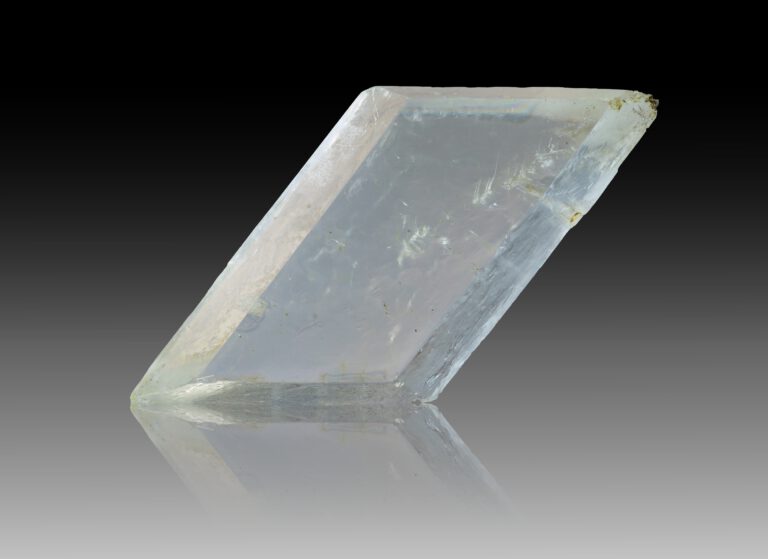
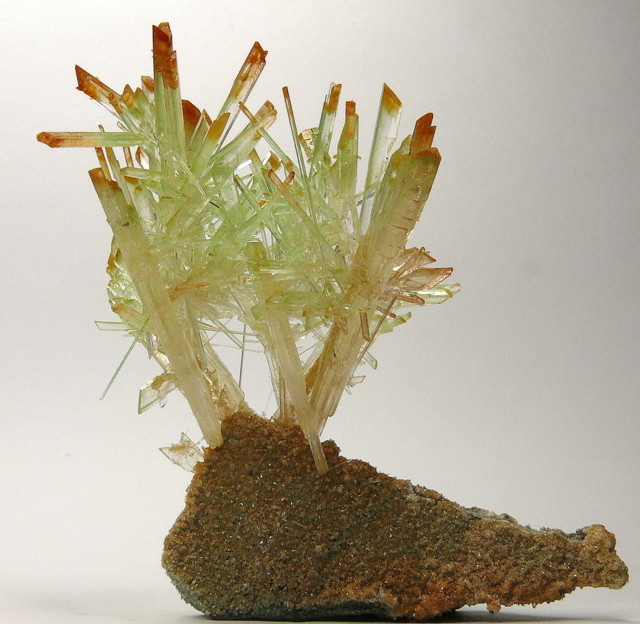
Gypsum is also remarkable from a mineralogical perspective. It forms a wide variety of crystal habits, ranging from microscopic aggregates to individual crystals several meters in length. Particularly spectacular occurrences are known from Naica, Mexico, where gypsum crystals of up to 15 meters have been documented.